
Trusted by 130+ Homeowners
What Is Crime Scene Cleanup, Really?
- Over 134 5-Star Reviews
- Free Estimates and Quotes
- 100% Satisfaction Guaranteed
- Child, Family & Pet Safe Steps
- 24-Hour Emergency Service
- Fully Licensed & Insured

Crime scene cleanup is a specialized service. It involves the professional remediation of biohazards and trauma scenes.
This vital work ensures safety and restores properties after traumatic events.
TL;DR:
- Crime scene cleanup is professional biohazard removal.
- It handles blood, bodily fluids, and other potentially infectious materials.
- Technicians use special equipment and follow strict safety protocols.
- This service is crucial for health and property restoration.
- It’s a job for trained professionals, not DIY.
What Is Crime Scene Cleanup, Really?
It’s more than just tidying up. Crime scene cleanup is a highly specialized form of biohazard remediation. Think of scenes involving violent crimes, unattended deaths, or serious accidents. These events can leave behind biological materials. These materials pose serious health risks.
It’s not something you can just scrub away. Professionals are trained to handle bloodborne pathogens and other contaminants. They work to make the area safe again. This process requires specific knowledge and equipment.
Beyond the Surface: What’s Involved?
When we talk about crime scene cleanup, we’re talking about more than visible messes. It includes the removal of blood, bodily fluids, and tissue. It also covers the proper disposal of contaminated items. This might include carpets, furniture, or even structural elements.
The goal is complete sanitation. This means eliminating all harmful biological material. It also involves disinfecting and deodorizing the space. You want to restore the property to a safe, livable condition.
The Invisible Threat: Biohazards Explained
Biohazards are biological substances. They can cause harm to human health. This includes bacteria, viruses, and infectious agents. Crime scenes often contain these invisible threats. Proper handling is absolutely essential for preventing the spread of disease.
Think of it like a microscopic invasion. Without professional intervention, these hazards can linger. They can pose risks long after the initial event. That’s why specialized training is so important.
Who Performs This Work?
This isn’t a job for the average cleaning crew. Crime scene cleanup is performed by certified biohazard remediation technicians. These individuals undergo rigorous training. They learn about safety protocols and handling hazardous materials.
They are equipped with personal protective equipment (PPE). This includes gloves, masks, and specialized suits. They also use industrial-grade cleaning agents and equipment. This ensures the job is done correctly and safely.
The Emotional Toll and Professional Distance
These scenes can be emotionally charged. The technicians are trained to maintain professional distance. They focus on the task at hand. This allows them to work effectively without being overwhelmed.
It’s a difficult job, both physically and emotionally. But their focus is on restoring safety and order. They understand the importance of their role. They help families and property owners through a tough time.
When Do You Need Crime Scene Cleanup Services?
You might need this service after a variety of incidents. This includes homicides, suicides, and accidental deaths. Unattended deaths can lead to significant decomposition. This creates a biohazard situation.
Accidents involving severe blood loss also require this service. Even situations like hoarding or severe unsanitary conditions can create biohazards. Basically, anywhere biological materials pose a risk, professionals are needed.
Beyond the Obvious: Unattended Deaths
An unattended death can be particularly challenging. Over time, the body decomposes. This releases fluids that can seep into floors, walls, and furniture. These fluids are a potent source of biohazards.
Cleaning these areas requires specialized techniques. Standard cleaning products won’t be enough. You need professionals who know how to address deep contamination.
Accidents and Trauma Scenes
Serious accidents can also leave behind biohazardous materials. Think of car crashes or industrial accidents. The cleanup process needs to be thorough. It must address all traces of biological matter.
The goal is always to return the property to a safe state. This can be a complex process. It often involves more than just surface cleaning.
What About DIY Cleanup? Think Again.
Attempting to clean a crime scene yourself is a bad idea. It’s not just about the mess; it’s about safety. You could expose yourself and others to dangerous pathogens. You might also miss hidden contamination.
Plus, proper disposal of biohazardous waste is regulated. You can’t just bag it up and throw it away. There are strict rules to follow. It’s best to leave this to the experts.
The Process: How It’s Done
Crime scene cleanup follows a systematic approach. First, technicians assess the scene. They identify all affected areas and materials. Then, they develop a remediation plan.
They begin by removing contaminated items. This is followed by thorough cleaning and disinfection. Finally, they deodorize and restore the area. The entire process is documented.
Safety First: Protocols and Protection
Safety is the top priority. Technicians wear full PPE. They use specialized cleaning agents and equipment. This includes HEPA vacuums and ozone generators. These help remove airborne contaminants and odors.
They follow strict guidelines from organizations like OSHA. This ensures everyone’s safety during the cleanup. It’s a science-based approach to a difficult problem.
Disposal: A Critical Step
Proper disposal of biohazardous waste is crucial. Contaminated materials are bagged and sealed. They are then transported to a licensed medical waste facility. This prevents further contamination.
This step is non-negotiable. It’s part of the regulatory requirements. It ensures that hazardous materials are handled responsibly.
Restoration and Remediation
Once the area is clean and disinfected, restoration begins. This might involve minor repairs. It could also include repainting or replacing damaged materials. The aim is to make the property look and feel like it did before.
Sometimes, structural elements might be affected. Technicians can assess this. They can recommend further steps if needed. The ultimate goal is a safe and healthy environment.
Why Professional Help Is Essential
When dealing with biohazards, you need professionals. They have the training, equipment, and knowledge. They can handle the situation safely and effectively. Trying to do it yourself can lead to serious health risks.
You also want the job done right. Professionals ensure that all contamination is removed. They follow all regulations. This gives you peace of mind.
The Difference Professional Cleanup Makes
A professional cleanup means complete remediation. It means the area is safe for re-entry. It means all biohazards are removed and disposed of properly. It means the space is restored to its original condition.
It’s about more than just cleaning. It’s about restoring a sense of normalcy. It’s about ensuring the health and safety of everyone involved.
Don’t Wait to Get Help
If you’re facing a situation that requires biohazard cleanup, act before it gets worse. Biological materials can spread and degrade over time. The sooner you address it, the easier and safer the cleanup will be.
Contacting professionals quickly is key. They can assess the situation and begin the remediation process. They are ready to help when you need it most.
Conclusion
Crime scene cleanup is a specialized and necessary service. It involves the professional removal of biohazards and trauma. This critical work ensures public health and safety. It restores properties after traumatic events. When faced with such situations, it’s vital to call a professional right away. Mesa Water Damage Experts understands the sensitivity and urgency required. We are a trusted resource for understanding and navigating these complex restoration needs.
What are the main types of biohazards found at crime scenes?
The main biohazards include blood, bodily fluids, and tissue. These can contain bloodborne pathogens like HIV and Hepatitis. Unattended decomposition also releases harmful bacteria and odors. Proper identification and handling are critical.
Can standard cleaning products disinfect a crime scene?
No, standard cleaning products are not sufficient. They cannot reliably kill all bloodborne pathogens or neutralize strong odors. Specialized disinfectants and cleaning agents are required. These are used by trained professionals.
How long does crime scene cleanup typically take?
The duration varies greatly. It depends on the size of the affected area and the extent of contamination. A small scene might take a few hours. A large, complex scene could take several days. Professionals work efficiently and thoroughly.
Is crime scene cleanup covered by insurance?
Coverage can vary by policy. Some homeowner’s or commercial insurance policies may cover biohazard cleanup. It often depends on the cause of the biohazard. It’s best to check your specific insurance policy details.
What happens to biohazardous waste after it’s removed?
Biohazardous waste must be disposed of properly. It is placed in special, sealed containers. These are then transported to a licensed medical waste disposal facility. This ensures it is handled safely and legally.
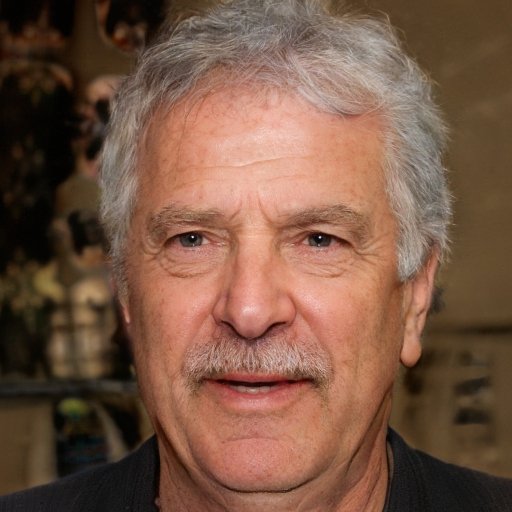
Meet Bryan Nevels
With over two decades of dedicated service in the restoration industry, Bryan Nevels is a highly respected Licensed Damage Restoration Expert. His career is defined by a deep technical mastery of property recovery and a commitment to restoring safety to homes and businesses.
Professional Expertise & Trust
Bryan’s authoritative background is backed by extensive field experience and a suite of specialized credentials. His objective is to provide elite-level service through meticulous attention to detail and industry-leading standards.
Technical Credentials
𝗖𝗲𝗿𝘁𝗶𝗳𝗶𝗰𝗮𝘁𝗶𝗼𝗻𝘀: Bryan holds multiple IICRC certifications, including Water Damage Restoration (WRT), Applied Structural Drying (ASD), Mold Remediation (AMRT), Fire and Smoke Restoration (FSRT), and Odor Control (OCT).
Personal Insight
𝗙𝗮𝘃𝗼𝗿𝗶𝘁𝗲 𝗣𝗮𝘀𝘁𝗶𝗺𝗲: When he isn’t on a job site, Bryan enjoys exploring local hiking trails and woodworking. 𝗕𝗲𝘀𝘁 𝗣𝗮𝗿𝘁 𝗼𝗳 𝘁𝗵𝗲 𝗝𝗼𝗯: For Bryan, the most rewarding aspect is providing peace of mind to families during a crisis and seeing their relief when a property is fully restored to its pre-loss condition.