Queen Creek, AZ · Maricopa County
Basement Water Removal in Queen Creek, AZBasement Moisture Inspection & Basement Floor Water Damage
Basement Water Removal in Queen Creek covers basement water pump out, basement wall drying and basement dehumidification after a flood.
Answered 24/7
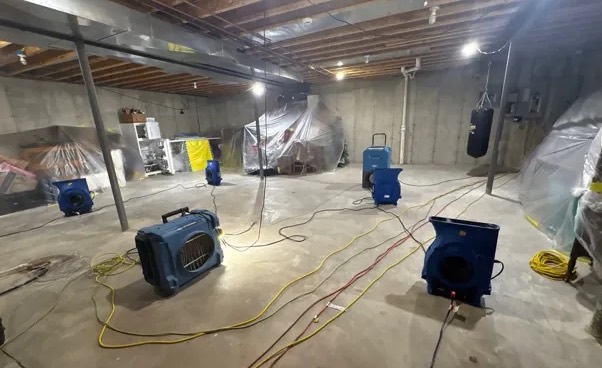
Local Basement Water Removal Services for Queen Creek
Basement Water Removal in Queen Creek starts with safety. Water near the furnace, water heater or electrical panel can be dangerous, so power is made safe before anyone steps into it.
Basements are uncommon in Queen Creek. The same extraction and drying steps apply to slab-level rooms, sunken dens and garages that take on water.
Homeowners in Queen Creek can call (480) 898-4279 day or night when the basement is taking on water. Service also covers San Tan Valley, Gilbert and Apache Junction, with the same pumping and drying steps.
Basement Water Removal Services in Queen Creek
Basement Moisture Inspection
An inspection shows how high water wicked up the walls and how far it spread under flooring, which sets the drying plan.
Basement Floor Water Damage
Concrete floors are squeegeed, extracted and dried with airflow and dehumidifiers until moisture readings drop.
Basement Water Pump Out
When water is more than an inch or two deep, pumps move it far faster than wet vacs, which limits how long walls sit in water.
Basement Wall Drying
Concrete and block walls dry with directed airflow and dehumidification, which pull water out of the masonry.
Basement Dehumidification
Dehumidifiers run continuously during drying, and their output is checked to track how much water is still coming out of the materials.
Indicators You Need Professional Water Removal
Standing Water in Basement
Standing water anywhere on the basement floor needs to be pumped out before it soaks the walls.
Gurgling Sounds From Drains
Gurgling floor drains or slow drains can be an early sign of a sewer line problem.
Mold or Mildew
Dark spots on drywall, framing or stored items mean the area has stayed wet for days.
Warped or Buckling Flooring
Flooring that buckles, lifts or feels spongy has water trapped between it and the slab.
How Basement Water Removal Works in Queen Creek
Step 1: Safety Assessment and Pump Out
Electrical hazards are checked, then deep water is pumped outside away from the foundation.
Step 2: Content Removal and Damage Documentation
Wet belongings are moved, and photos record the water level and damaged materials.
Step 3: Targeted Water Removal and Drying
Carpet is extracted, wet drywall is cut back and air is aimed at walls and the slab.
Step 4: Sanitization and Moisture Control
Surfaces touched by dirty water are disinfected, and dehumidifiers keep humidity low.
Sources of Basement Water Problems
Foundation Cracks and Seepage
Cracks in foundation walls and the slab let groundwater seep in during wet weather.
Sewer Line Backups and Blockages
A blocked sewer line can push wastewater up through basement floor drains and toilets.
Clogged or Damaged Gutters
Clogged gutters and short downspouts dump roof water right next to the foundation.
Plumbing Leaks or Pipe Bursts
Supply lines, drain pipes and water heaters in the basement can leak or burst onto the floor.
Both Residential & Commercial Basement Water Removal
Residential Basement Water Removal
Families should keep children and pets away from basement water until power is safe and the type of water is known.
Commercial Basement Water Removal
In restaurants and shops, basement water near food or stock storage needs removal and cleaning before those areas are used again.
Professional Basement Water Removal Versus Do-It-Yourself
Do not step into basement water if cords, outlets or appliances are in it. Shut off power at the panel only if you can reach it from a dry spot, then call (480) 898-4279.
Investing in Professional Basement Water Removal
In Queen Creek, the drying phase usually costs more than the pumping, because basements need equipment running for several days.
Affected Materials
Finished walls, carpet and laminate take more removal work than bare concrete.
Water Depth and Volume
Deeper water takes more pumping time and usually means more materials got wet.
Basement Square Footage
Larger basements need more extraction, more drying equipment and more days of drying.
Does Insurance Cover Basement Water Removal?
Photograph the water level, damaged belongings and appliances before cleanup, and keep receipts for emergency pumping and drying equipment for your adjuster.
Why Queen Creek Homeowners Trust Local Pros for Basement Water Removal
Industry Drying Standards
Water removal and drying follow industry water damage standards, with readings at every visit.
Advanced Drying Equipment
Pumps, extractors and large dehumidifiers remove water much faster than household tools.
Moisture Inspection
Meters and thermal cameras find water in walls, floors and slab that looks dry.
24/7 Basement Water Removal When You Need It
Basement taking on water in Queen Creek? Make power safe if you can, move what you can and call (480) 898-4279. Help is available 24/7.
Call Now (480) 898-4279Basement Water Removal Near Queen Creek: Areas Served
Help with basement water removal reaches San Tan Valley, Gilbert and Apache Junction, plus other communities around Queen Creek, for finished and unfinished basements alike.
- Basement Water Removal in San Tan Valley
- Basement Water Removal in Gilbert
- Basement Water Removal in Apache Junction
- Basement Water Removal in Gold Canyon
- Basement Water Removal in Chandler
- Basement Water Removal in Sacaton
- Basement Water Removal in Sun Lakes
- Basement Water Removal in Bapchule
- Emergency Damage Restoration in 85142
- Storm Damage Restoration in 85142
- Water Damage Restoration in 85142
- Water Extraction Service in 85142
- Water Leak Detection in 85142
- Water Removal Service in 85142
Common Basement Water Removal Questions Answered
What is involved in basement water removal?
Making power safe, pumping out standing water, extracting floors and carpet, removing soaked materials and dehumidifying until dry.
Can I dry my basement myself with fans?
Fans help with surface water, but walls and concrete need dehumidifiers and readings to dry fully.
How is basement wall drying done?
Wet drywall is cut back, insulation removed and directed airflow and dehumidifiers dry the studs and masonry.
Why is basement dehumidification important after pumping?
Walls and concrete keep releasing moisture for days. Dehumidifiers remove it so the basement does not stay damp.
What is emergency basement flooding response?
Help any hour to make power safe, stop the source, pump out water and start drying before more damage sets in.