Elephant Head, AZ
HVAC Leak Water Removal in Elephant Head, AZHVAC Cabinet Water Extraction & Moisture Remediation For HVAC Systems
HVAC Leak Water Removal in Elephant Head includes emergency HVAC leak cleanup, wet insulation removal near HVAC and coil leak water damage repair.
Answered 24/7
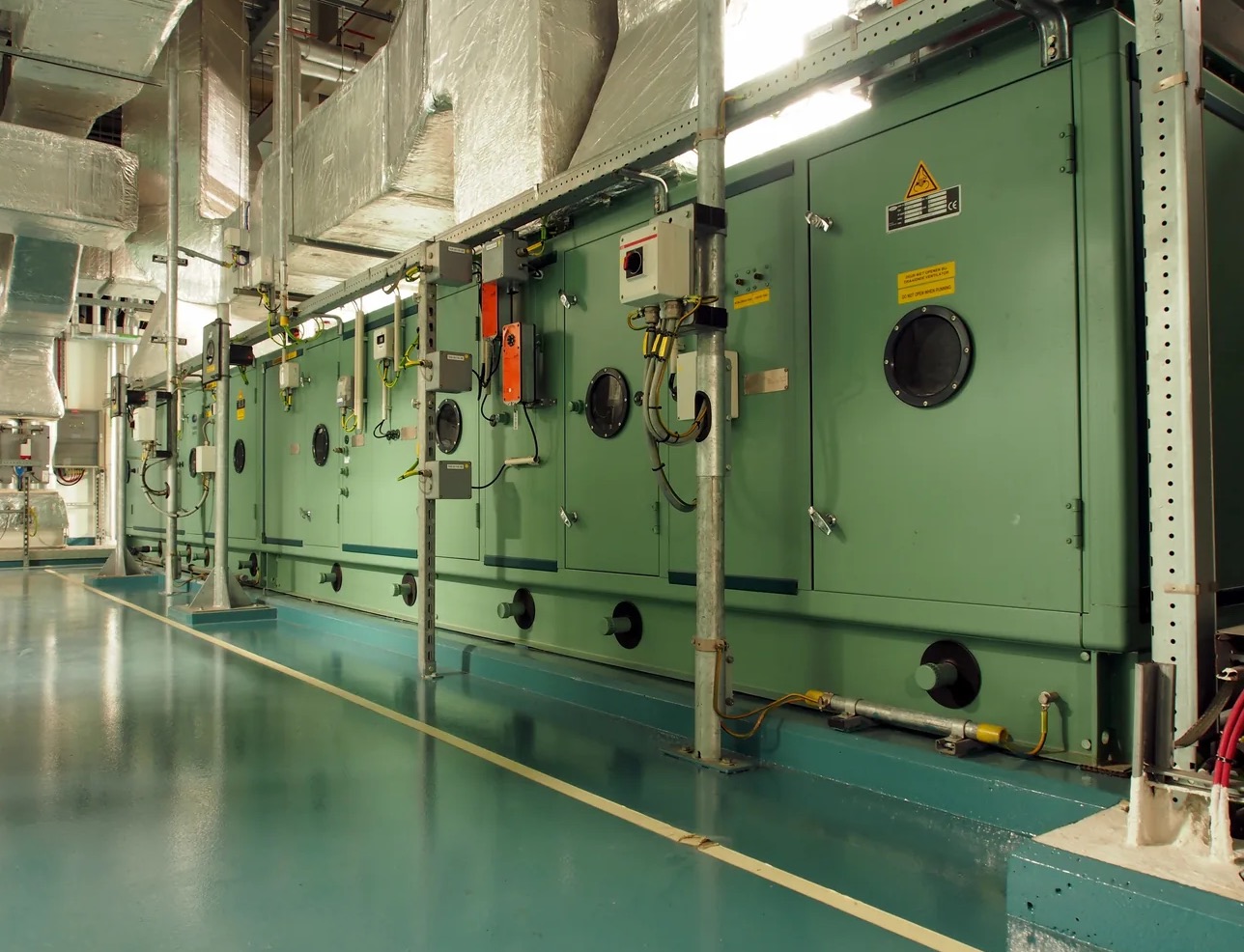
HVAC Leak Water Removal Solutions in Elephant Head
A leaking coil in Elephant Head creates two jobs. An HVAC contractor repairs the coil, and the water that already escaped has to be removed and dried.
In the Elephant Head area, wet insulation near the HVAC unit often has to be removed after a significant leak. Saturated insulation loses its R-value and stays damp for a long time.
Complete HVAC Leak Water Removal Services for Elephant Head
HVAC Cabinet Water Extraction
Water pooled inside a furnace or air handler cabinet is removed after the power is off, which protects the blower motor and the control board.
Moisture Remediation for HVAC Systems
The job ends with a dry space and dry materials around the unit. Readings from the last day are recorded so you have proof the area is dry.
Ductwork Condensation Water Removal
Cold air inside ducts meeting warm, humid air causes sweating and droplets. Condensation soaks insulation and damages ceiling materials.
Wet Insulation Removal Near HVAC
Saturated insulation near the HVAC unit loses R-value and can foster mold. Removal is often necessary for a proper dry-out.
AC Condensate Leak Water Removal
A failing condensate pump or disconnected line can flood a mechanical closet. This requires urgent HVAC leak water removal.
Warning Signs You Need HVAC Leak Water Removal
High Indoor Humidity Levels
A home feeling persistently muggy can mean the HVAC system is not properly removing airborne moisture.
Mold on Air Handler
Visible mold on the unit, the ducts or nearby drywall usually means water has been there for a while.
Musty Odors Near Air Vents
A musty smell when the system runs can point to wet insulation or mold inside the unit or ducts.
Condensation Dripping From Ducts
Water droplets or streaks on metal ductwork mean the ducts are sweating, and the water is landing somewhere below.
How HVAC Leak Water Removal Works in Elephant Head
Step 1: Water Removal Initiation
Local water damage pros use pumps and wet vacuums to remove the bulk water from a flooded drain line area.
Step 2: Detailed Moisture Detection
Meters and thermal cameras check concealed spaces so no wet spot behind a wall or above a ceiling is missed.
Step 3: Controlled Drying Environment
Professionals create a controlled environment with dehumidifiers and air movers to dry wet ductwork, insulation and building materials.
Step 4: Final Clearance and Prevention Advice
A final check confirms everything is dry, and you get tips on keeping the condensate drain clear.
What Causes HVAC Leaks Needing Water Removal in Elephant Head
High Static Pressure in Ducts
An oversized system or closed vents can upset airflow and drainage, so condensate does not drain as it should.
Worn Gaskets or Seal Failures
Worn seals around access panels or coil sections let water escape the cabinet instead of reaching the pan.
Refrigerant Leak at the Coil
A pinhole leak in the evaporator coil itself can allow refrigerant and moisture to escape simultaneously.
Cracked or Disconnected Drain Pan
A damaged or misaligned secondary drain pan beneath the evaporator coil fails to catch condensation overflow.
Residential and Commercial HVAC Leak Water Removal in Elephant Head
Residential HVAC Leak Water Removal
In homes, an HVAC leak usually wets the ceiling under an attic unit or the walls and floor around the air handler closet. Wet insulation near the unit is removed so it does not hold water.
Commercial HVAC Leak Water Removal
In stores, offices and warehouses, leaks come from large air handlers, VAV boxes and ducts above the ceiling. The water is removed fast so the space can reopen.
HVAC Leak Water Removal vs. DIY: When to Call Local Pros
You can document water damage for an insurance claim by taking clear photos of the affected area and leaking component. Keep records of communication. Do not discard damaged items until reviewed. Coverage decisions belong to the insurer.
Factors in HVAC Leak Water Removal Cost for Elephant Head
Local water damage pros in Elephant Head price the job based on how long the leak ran and how much it damaged. Wet ducts inside walls or ceilings take extra work to reach.
HVAC System Accessibility
Units in tight closets or attics take more labor to reach, clean around and dry.
Drying Time and Equipment
The number of days ducts and materials take to dry decides how long the dehumidifiers run.
Affected Components and Materials
Wet insulation, damaged ductwork or wiring near the flooded unit each add work to the job.
Does Insurance Cover HVAC Leak Water Removal?
For HVAC water cleanup, a policy may cover the water damage but not fixing the failed part. The pros document the wet area and the drying, and the insurer makes the coverage decision.
Why Choose Local Pros for HVAC Leak Water Removal in Elephant Head
Comprehensive Leak Source Identification
The pros trace the water to the drain line, coil or pan, so the right trade can fix the cause.
24/7 Emergency Response
Getting to a leaking AC early limits how far water spreads and how much it rusts parts in the unit.
Detailed Damage Documentation
Photos and meter readings of the water damage give your adjuster clear records for the claim.
24-Hour Emergency HVAC Leak Water Removal in Elephant Head
Water damaged HVAC components risk mold and system failure. For HVAC leak water removal in Elephant Head, call (480) 898-4279 at any hour.
Call Now (480) 898-4279Areas Served for HVAC Leak Water Removal from Elephant Head
Homes and businesses throughout Elephant Head can get ductwork condensation water removal and emergency HVAC leak cleanup as part of HVAC leak water removal.
HVAC Leak Water Removal FAQs
What causes an HVAC drain line to flood?
Algae, sludge or debris clog the condensate drain and the pan overflows. A disconnected or cracked drain line can also send water onto the floor.
Is emergency HVAC leak cleanup necessary?
It is when water is spreading. Removing it early keeps it from reaching walls, ceilings and the rooms nearby, which keeps the damage smaller.
What are signs of a leaking AC unit indoors?
Water around the indoor unit, stains on nearby walls or ceilings, a musty smell, or the system shutting off because its float switch tripped.
How long does wet ductwork drying typically take?
It depends on how much water there is and how easy it is to reach. Most jobs take two to four days of drying with commercial equipment.
What is involved in HVAC leak water removal?
Stopping the leak, extracting standing water, drying the ducts, cabinet area, walls and floor, and checking for hidden moisture with meters.