Mesa, AZ · Maricopa County
Mold Remediation in Mesa, AZMold Odor Elimination & Attic Mold Removal
Mold Remediation in Mesa covers crawl space mold abatement, attic mold removal and bathroom mold cleanup.
Answered 24/7
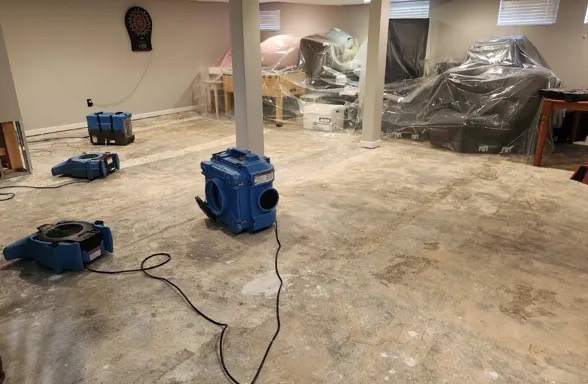
Professional Mold Remediation in Mesa, AZ
Mold can cause allergy and breathing symptoms, especially for people with asthma. In Mesa, visible mold or a musty smell means it is time to find the moisture source.
In Mesa, mold often shows up after a leak under a sink, a roof leak or a flood that was not fully dried. Local mold remediation pros also handle mold in Gilbert, Tempe and Chandler.
Mold Remediation in Mesa
Mold Odor Elimination
If a musty smell lingers after cleanup, the pros look for remaining moisture or mold in walls, carpet or ducts rather than masking it.
Attic Mold Removal
Attic mold often shows as dark staining on the underside of the roof deck. Affected wood is cleaned, wet insulation is removed and airflow problems are noted for repair.
Mold Inspection Services
An inspection looks for visible mold, musty odors and the moisture behind them. Moisture meters and thermal cameras help find wet areas inside walls and under floors.
Black Mold Remediation
The color of mold does not change the method. The pros contain the area with plastic sheeting, remove what cannot be cleaned and fix the moisture that let it grow.
Bathroom Mold Cleanup
Mold that keeps returning on a bathroom ceiling often means poor ventilation. The pros clean the area and check whether moisture is getting into the drywall.
Signs That Call for Mold Removal
Musty Smell That Will Not Go Away
A damp, earthy smell often means mold is growing somewhere out of sight, such as inside a wall, under flooring or in ductwork.
Visible Mold on Walls or Ceilings
Black, green or gray spots on drywall, ceilings or trim are visible mold. Larger patches usually mean more is hidden behind the surface.
Condensation on Windows
Heavy condensation that runs down windows and wets the sills can lead to mold on frames, sills and nearby walls.
Peeling Paint or Bubbling Drywall
Paint that bubbles or peels and drywall that feels soft point to moisture inside the wall, which mold needs to grow.
How Mold Remediation Works in Mesa
Step 1: Finding the Moisture Source
Mold needs water. The pros find the leak, condensation or seepage behind it so it can be fixed.
Step 2: Setting Up Containment
The work area is sealed off and air scrubbers run so spores do not spread to clean rooms.
Step 3: Black Mold Removal
Affected drywall and trim are cut out and bagged, and the wood behind them is cleaned.
Step 4: Air Filtration and Drying
Air scrubbers clean the air while dehumidifiers dry the framing and remaining materials.
Common Causes of Indoor Mold
High Indoor Humidity
When indoor humidity stays high, moisture collects on cool surfaces like windows, closet walls and corners, and mold follows.
Roof Leaks
Rain getting through damaged shingles or flashing wets attic insulation and sheathing, and mold often follows on the roof deck and framing.
Floods Not Fully Dried
Flooding that is mopped up without dehumidifiers and air movers leaves moisture in walls and subfloors where mold grows within days.
AC Condensation Problems
A clogged condensate drain or a cracked drain pan leaks water near the air handler, and mold grows on nearby drywall and ductwork.
Mold Remediation for Every Property Type
Residential Mold Remediation
In homes, mold usually starts in bathrooms, under sinks, in attics or behind walls after a leak. The pros remove the affected materials and dry the area.
Commercial Mold Remediation
In offices and stores, mold often follows roof leaks or HVAC problems. Work can be planned in sections to keep the rest of the building open.
When DIY Mold Cleanup Is Enough
Small areas of surface mold, about the size of a doormat or less, on tile or a window frame can be cleaned with soap and water. Call the pros for larger areas, mold inside walls or mold after a flood.
Mold Remediation Cost in Mesa, AZ
The cost of mold remediation in Mesa depends on how large the moldy area is, where it is and how much material has to be removed.
HVAC Involvement
Mold in ducts or the air handler adds cleaning or replacement of duct sections on top of the room work.
Location of the Mold
Mold in attics, crawl spaces and inside walls is harder to reach and usually needs more labor than mold on an open wall.
Testing and Inspection
Mold testing is optional in many cases, but when it is needed it adds lab fees to the total.
Does Insurance Cover Mold Remediation?
Photos, moisture readings and a written scope from the pros help support a claim when mold follows a covered water loss. Keep copies of everything you send.
Why Call Local Mold Remediation Pros in Mesa
Records for Your Insurer
Photos, readings and a written scope document the mold, the moisture source and the work done.
Drying After Removal
Mold returns if the area stays damp. The pros dry the structure and check readings before rebuilding.
Industry Remediation Standards
Removal follows industry standards for mold remediation: contain, remove damaged materials, clean, dry and check.
Round-the-Clock Mold Remediation for Mesa
Wet materials can start growing mold within a day or two. Call (480) 898-4279 for mold remediation and drying in Mesa, at any time.
Call Now (480) 898-4279Where Mold Remediation Are Available Near Mesa
The pros serve Mesa and nearby Gilbert, Tempe and Chandler for mold in bathrooms, attics, crawl spaces and walls.
Frequently Asked Questions About Mold Remediation
Why does bathroom mold keep coming back?
Usually because of poor ventilation or a hidden leak behind tile. Cleaning the surface does not fix either problem.
Do I need mold testing?
Not always. If mold is visible, testing often adds little. It can help when mold is suspected but cannot be seen.
Is mold in the attic a serious problem?
It can damage roof sheathing and framing over time and usually points to a roof leak or poor ventilation that should be fixed.
Is black mold more dangerous than other mold?
Any mold can cause allergy and breathing symptoms. The removal method is the same regardless of color: contain, remove, clean and dry.
How do I know if I have mold?
Visible spots, a musty smell, past water damage and stains on walls or ceilings are the most common signs. An inspection can confirm it.