Mesa, AZ · Maricopa County
Structural Drying Services in Mesa, AZCeiling Water Damage Cleanup & Commercial Building Drying
Structural Drying Services in Mesa address ceiling water damage cleanup, wall cavity drying, and commercial building drying.
Answered 24/7
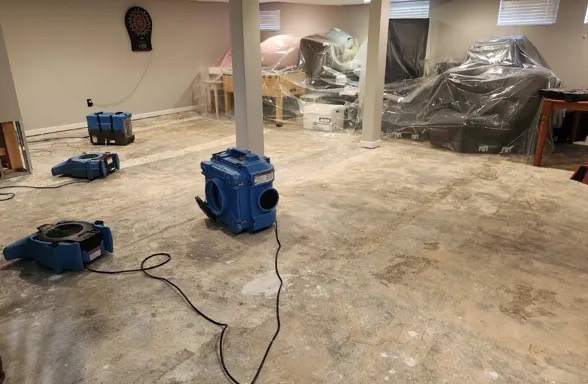
Expert Structural Drying in Mesa, Arizona
Business properties in Mesa are larger and built differently from homes, so drying them takes more equipment and planning to reopen safely.
In Mesa and nearby Gilbert, Tempe and Chandler, drying prevents mold and wood rot after water damage. Pros map the moisture first, then dry wall cavities and subfloors.
Comprehensive Structural Drying Services for Mesa
Ceiling Water Damage Cleanup
Ceiling damage from leaks requires specific cleanup. Access points may be created to ventilate and dry the cavity, preventing sagging or mold in the ceiling structure.
Commercial Building Drying
Commercial buildings are dried in zones with large dehumidifiers. Local water damage pros map moisture to dry concrete floors and high ceilings.
Wall Cavity Drying
Moisture trapped in wall stud bays needs a focused approach. Wall cavity drying is implemented, often using low-grain refrigerant dehumidifiers, to safeguard the home's framework from internal decay.
Subfloor Water Extraction
Once wet flooring is removed, pros use extraction tools to pull moisture out of the wood or concrete subfloor underneath.
Wet Drywall Removal
Moisture meters show which drywall is too wet to save. Pros cut out only those sections, which also opens the wall so drying equipment can reach inside.
Signs Your Property Needs Structural Drying Services
Persistent Musty Odors
A lingering earthy smell often means moisture is trapped inside a wall cavity.
High Humidity Readings
A moisture meter reading well above normal in drywall or wood means the material is still wet inside.
Swollen Drywall Panels
Drywall that swells or bends is soaked through and may need to be cut out so the wall can dry.
Buckling Hardwood Floorboards
Wood planks that cup or buckle have absorbed a lot of water from below.
How Structural Drying Services Work in Mesa
Step 1: Source Containment and Extraction
The first priority is stopping the water source and extracting all standing water, initiating the emergency drying services protocol.
Step 2: Detailed Moisture Inspection
The pros inspect wall cavities, subfloors, and other hidden areas with sensors to define the full drying scope.
Step 3: Aggressive Structural Water Removal
Using industrial-grade equipment, pros execute aggressive structural drying to eliminate moisture from within the building's framework.
Step 4: Validation of Dry Standards
Final readings confirm all affected materials meet their dry targets before equipment is removed.
Common Causes of Structural Water Damage in Mesa
Burst Water Supply Pipes
A burst pipe can release hundreds of gallons and flood several rooms.
Sewer or Drain Backups
A blocked main line can push contaminated water back up through floor drains.
Roof Leaks During Storms
Damaged or missing roofing lets rain into the attic and down into the ceiling.
Appliance Hose Failures
Washing machine, dishwasher or ice maker lines can rupture and flood the floor around them.
Structural Drying Services for Homes & Businesses in Mesa
Residential Structural Drying Services
When a ceiling leaks in a home, the pros extract the water and set up drying for the ceiling, wall cavities and insulation so mold does not start.
Commercial Structural Drying Services
In large commercial spaces, the experts dry floors, subfloors and wall cavities after a flood, using equipment sized for the space.
Structural Drying Services vs. DIY: When to Call Water Damage Pros
For a minor leak, mop or wet-vac the visible water. If the water is contaminated, like a sewer backup, or the dampness stays, call pros.
Understanding Structural Drying Services Costs in Mesa
The total price depends on how much extraction is needed and on extra steps like moisture mapping and drywall removal.
Secondary Repairs
Removing wet drywall or flooring adds demolition, hauling and disposal work to the job.
Material Type
Porous materials like drywall or insulation require more intensive drying protocols than non-porous surfaces, affecting the remediation timeline.
Extent of Damage
The size of the affected area and depth of water penetration into materials like drywall or subfloor dictate resource needs.
Does Insurance Cover Structural Drying Services?
For flood drying from external sources like storms or overflowing bodies of water, a separate flood insurance policy is usually required, as standard homeowners policies do not cover it.
Selecting Local Pros for Structural Drying Services in Mesa, Arizona
Documentation for Claims
Detailed documentation of moisture levels and damage provides clear evidence to support your communication with your insurance company.
Comprehensive Water Extraction
Powerful extraction removes standing water quickly, a critical first step before the detailed structural drying process begins.
Prevention of Mold Growth
Rapid, thorough drying reduces the moisture that mold needs to grow, addressing a primary risk after water damage occurs.
24/7 Structural Drying Services Response in Mesa
Water damage keeps spreading until the structure is dried. For 24/7 drying in Mesa, call (480) 898-4279 for the pros.
Call Now (480) 898-4279Local Structural Drying Services Coverage for Mesa
Water damage drying is available in Mesa and surrounding communities such as Gilbert, Tempe and Chandler.
Structural Drying Services in Mesa: Your Questions
Can carpet be saved after water damage, or is removal required?
Often, if the water is clean and extraction starts early. Carpet soaked by contaminated water usually has to be removed.
What is the goal of emergency drying services?
The primary goal is to quickly stabilize the environment by removing water and lowering humidity to prevent further damage and create conditions for any necessary repairs.
What is involved in the structural drying process?
The process begins with water extraction, followed by moisture mapping to assess damage, then targeted drying with air movers and dehumidifiers to restore dry conditions.
Are contents and belongings handled during structural drying?
Moveable contents are often relocated, cleaned, or dried separately to allow full access to the structure and to prevent damage to personal items during the process.
Can wet drywall be saved, or does it always require removal?
It depends on the saturation level and contamination. Moderately wet, clean drywall may dry, but heavily saturated or contaminated panels often require wet drywall removal.