Green Valley, AZ · Pima County
Thermal Imaging Leak Detection in Green Valley, AZEmergency Leak Location Services & Wall Ceiling Moisture Scans
In Green Valley, Thermal Imaging Leak Detection covers hidden water leak detection, roof leak moisture mapping, and plumbing leak infrared inspection.
Answered 24/7
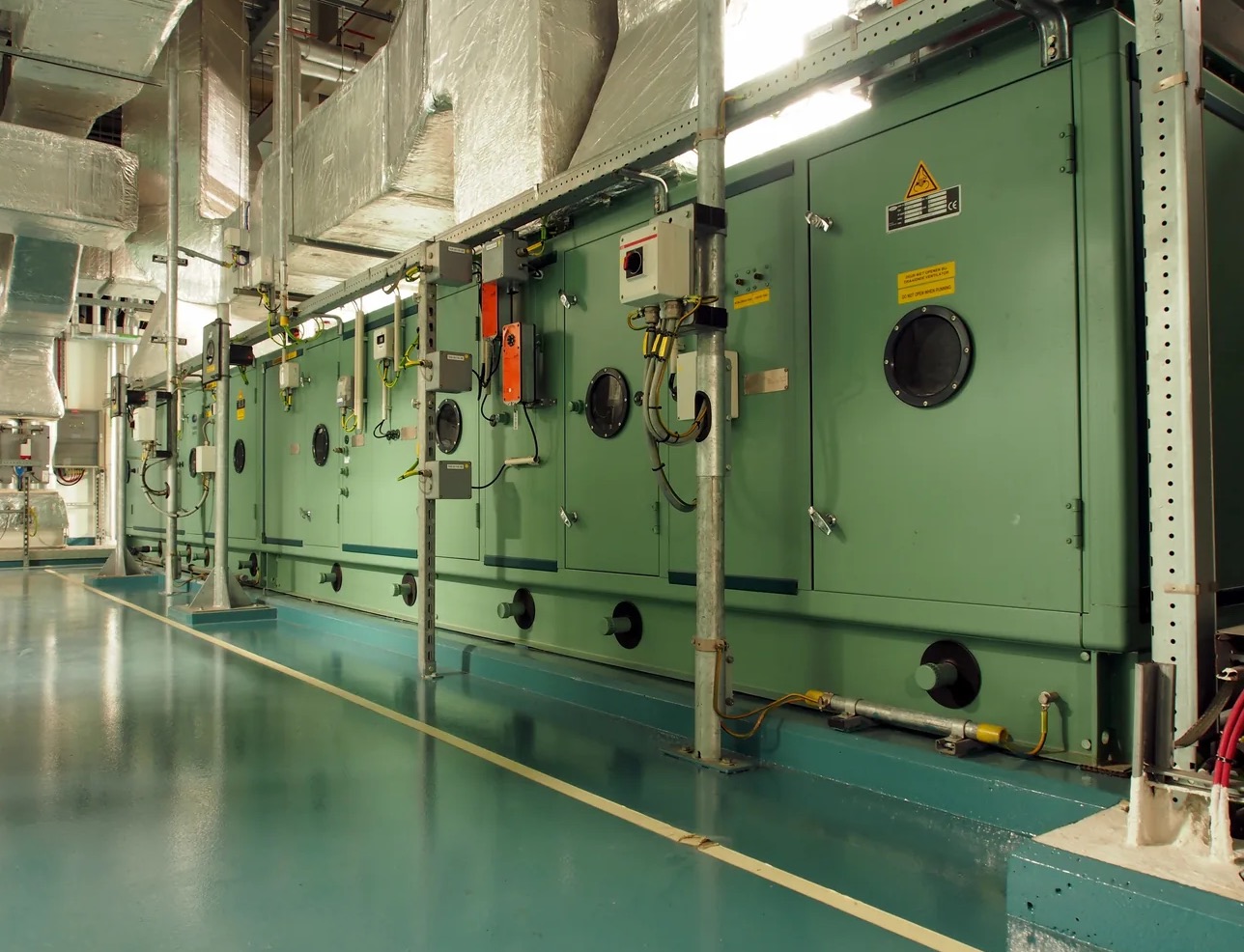
Accurate Thermal Imaging Leak Detection Services in Green Valley
Moisture under floors from a slab leak can weaken the foundation and grow mold. Finding it early keeps the repair small.
In the Green Valley area, thermal scans reveal hidden leaks behind walls or under slabs. Local water damage pros map the moisture and give you clear documentation.
Detailed Thermal Imaging Leak Detection Methods for Green Valley
Emergency Leak Location Services
Infrared cameras enable rapid scans of large areas during an emergency. This thorough leak location directs mitigation, like water shut-off or equipment placement, to the correct spot.
Wall Ceiling Moisture Scans
A wall or ceiling moisture scan provides objective data. Thermal images document moisture's extent, serving as a baseline for drying and as evidence for a claim.
Roof Leak Moisture Mapping
Infrared inspection reveals a roof leak's true damage scope. By detecting temperature differences, pros identify wet rafters and soaked insulation visual inspection misses.
Hidden Water Leak Detection
Concealed leaks cause dampness and high water bills. Thermal imaging identifies temperature anomalies from moisture, letting the pros map wet areas behind walls.
Slab Leak Thermal Detection
Moisture seeping through a concrete slab signals a potential leak. Thermal detection scans the floor with an infrared camera to find cooler areas where leaking water chills the concrete.
When to Schedule Thermal Imaging Leak Detection in Green Valley
Wet Spots on Carpet Without Spills
Damp spots in carpet with no recent spill can point to a slab leak below.
Ceiling Stains From Unknown Sources
Brown or yellow stains on a ceiling often trace back to a roof leak needing moisture mapping.
Persistent Musty Odors in Rooms
A damp smell in one room that will not go away usually means moisture hidden in a wall, floor or ceiling.
Reduced Water Pressure in Fixtures
A sudden drop in water pressure at taps can indicate a leak in the plumbing system.
How Thermal Imaging Leak Detection Works in Green Valley
Step 1: Scheduling the Thermal Imaging Inspection
Contact the experts to schedule a scan. Say if the leak is active, so urgent leaks can be scheduled first when possible.
Step 2: On-Site Thermal Camera Deployment
On site, the thermal camera leak finder is used to scan large areas quickly, identifying cool, wet spots invisible to the eye.
Step 3: Moisture Intrusion Pathway Analysis
The pros analyze how water is moving, performing moisture intrusion pathway analysis to understand the full scope of the problem.
Step 4: Clear Communication of Next Steps
You receive a straightforward explanation of the leak's location and the recommended next steps for repair, based on the thermal evidence.
Common Causes of Hidden Water Leaks in Green Valley
Corroded or Failing Plumbing Pipes
Aged or corroded pipes develop pinhole leaks that slowly release water into walls, floors, or slabs.
Improperly Installed or Old Flashing
Flashing around chimneys, vents, or skylights that is old or poorly installed is a common source of roof leaks.
Foundation Shifts and Settlement Cracks
Ground movement creates cracks in a foundation slab, letting groundwater seep in and cause hidden moisture issues.
High Water Pressure Stressing Pipes
Excessively high water pressure strains pipe joints and fittings, making them prone to failure and leaks.
Thermal Imaging Leak Detection for Properties in Green Valley
Residential Thermal Imaging Leak Detection
At home, a thermal scan after a leak is fixed confirms no moisture is left to cause mold or rot.
Commercial Thermal Imaging Leak Detection
Commercial property managers rely on thermal imaging leak detection for preventive maintenance, scanning large roof areas and building envelopes to identify moisture intrusion pathways before major damage occurs.
Limitations of DIY Leak Detection in Green Valley
Monitor your water meter for unexplained movement when all water is off, which can indicate a leak. You can also feel for damp spots on floors or walls. Listen for running water sounds in walls.
Investing in Professional Thermal Imaging Leak Detection in Green Valley
The price for hidden water leak detection varies based on the construction materials involved and the time needed for the local pros to analyze thermal imaging data.
Emergency Response
A 24/7 emergency leak location service call typically involves a different service structure than a scheduled thermal imaging inspection.
Access Challenges
Difficult roof access or confined spaces for plumbing leak infrared inspection can extend the duration of the on-site service.
Moisture Extent
If scans find moisture spread widely through walls and ceilings, a fuller assessment adds to the cost.
Does Insurance Cover Thermal Imaging Leak Detection?
Your adjuster decides whether leak detection is covered. The pros provide a report of the thermal inspection for the insurer to review.
Advantages of Local Leak Detection Experts in Green Valley
Prevents Guesswork
Eliminates unnecessary exploratory demolition by accurately locating leaks behind walls, under slabs, or in ceilings.
Non-Invasive Leak Detection
Thermal imaging finds hidden moisture without damaging walls or floors, preserving your property's structure during the investigation process.
Pinpoint Accuracy
Infrared leak detection identifies the exact origin of a water intrusion, allowing for targeted repairs that address the root cause.
Emergency Response for Leaks in Green Valley
New moisture after a repair should be checked quickly. Emergency thermal scans can confirm whether the leak is fixed. Call (480) 898-4279 for help.
Call Now (480) 898-4279Thermal Imaging Leak Detection in Green Valley and Other Areas Served
Help with thermal imaging leak detection is available across Green Valley, including hidden water leak detection and roof leak moisture mapping.
- Thermal Imaging Leak Detection in Sahuarita
- Thermal Imaging Leak Detection in Tubac
- Thermal Imaging Leak Detection in Tumacacori
- Thermal Imaging Leak Detection in Vail
- Thermal Imaging Leak Detection in Three Points
- Thermal Imaging Leak Detection in Sonoita
- Thermal Imaging Leak Detection in Patagonia
- Thermal Imaging Leak Detection in Elgin
- Emergency Damage Restoration in 85614
- Storm Damage Restoration in 85614
- Water Damage Restoration in 85614
- Water Extraction Service in 85614
- Water Leak Detection in 85614
- Water Removal Service in 85614
- Emergency Damage Restoration in 85622
- Storm Damage Restoration in 85622
Thermal Imaging Leak Detection FAQs
What happens during a roof leak moisture mapping service?
Pros use a thermal camera from inside the attic or on the roof deck to identify wet insulation patterns, mapping the leak's spread for targeted repair.
Is thermal imaging effective for roof leak moisture mapping?
Yes, it can map wet insulation and decking under roofing materials by detecting temperature variations, helping locate the entry point without unnecessary roof removal.
How does infrared leak detection find hidden leaks?
A thermal camera senses cooler surface temperatures where evaporation occurs from wet materials, creating a visual map that pinpoints moisture without physical intrusion.
What is included in a thermal imaging water leak report?
The report typically includes thermal images, annotated moisture maps, a description of findings, and data supporting the location and extent of the water intrusion.
What are the limits of thermal imaging inspection?
It detects surface temperature differences; very deep leaks or those behind highly insulating materials may require complementary methods for complete confirmation.