
Trusted by 130+ Homeowners
What Is Biohazard Cleanup And Who Needs It?
- Over 134 5-Star Reviews
- Free Estimates and Quotes
- 100% Satisfaction Guaranteed
- Child, Family & Pet Safe Steps
- 24-Hour Emergency Service
- Fully Licensed & Insured

Biohazard cleanup involves safely removing and decontaminating areas affected by dangerous biological substances.
It’s essential for protecting health and preventing the spread of infectious diseases after trauma, crime scenes, or unattended deaths.
TL;DR:
- Biohazard cleanup deals with dangerous biological materials.
- It requires specialized training and equipment for safety.
- Key scenarios include crime scenes, trauma, and unattended deaths.
- DIY cleanup is extremely dangerous and not recommended.
- Professionals ensure proper containment, cleaning, and disposal.
What Is Biohazard Cleanup and Who Needs It?
Biohazard cleanup is a specialized service focused on the safe and thorough removal, disinfection, and disposal of biological hazards. These hazards can include blood, bodily fluids, and other potentially infectious materials (OPIM). When these substances are present due to accidents, trauma, unattended deaths, or even severe hoarding situations, professional intervention is often necessary. You might need this service if your property has experienced an event that left behind biological contaminants.
Understanding Biohazards
A biohazard is any biological material that poses a threat to health. This can range from visible bloodstains to microscopic pathogens. Proper handling is critical to prevent the spread of diseases like Hepatitis B, HIV, or MRSA. These substances can seep into porous materials, making them difficult to clean without specialized knowledge and equipment.
Common Biohazard Scenarios
Several situations commonly require biohazard cleanup services. Crime scenes are a frequent example, where violent events leave behind blood and other biological matter. Trauma scenes, such as serious accidents or suicides, also fall into this category. Unattended deaths, where a body has decomposed over time, create a significant biohazard. Even situations like sewage backups or extensive animal infestations can introduce dangerous biological agents.
Why Professional Cleanup is Essential
Attempting to clean up biohazards yourself is incredibly risky. The materials involved are often infectious and can cause serious health problems if not handled correctly. Professional biohazard remediation teams have the training, protective gear, and specialized cleaning agents to ensure the area is not only clean but also completely sanitized. They follow strict protocols to protect themselves, you, and the environment. Research shows that improper cleanup can lead to long-term health issues and lingering contamination.
Who Needs Biohazard Cleanup Services?
The need for biohazard cleanup extends to various property owners and managers. Homeowners dealing with a traumatic event in their residence are primary candidates. Businesses that experience accidents or violent incidents on their premises also require these services. Property managers and landlords must address biohazards in rental units to ensure tenant safety and comply with regulations. Law enforcement agencies and forensic investigators often call upon these professionals to restore scenes after their work is done. Essentially, anyone facing a situation with biological contaminants on their property should consider professional help.
Homeowners and Trauma
For homeowners, discovering a biohazard can be emotionally devastating. Beyond the emotional toll, the health risks are substantial. You do not want to expose your family to dangerous pathogens. This is where professional cleanup makes a huge difference. They handle the difficult tasks, allowing you to focus on healing. Understanding the potential health risks is the first step in recognizing the need for expert help.
Businesses and Public Spaces
Businesses, whether small shops or large industrial facilities, can face biohazard situations. Accidents, vandalism, or even medical emergencies can lead to biological contamination. Maintaining a safe environment for employees and customers is a top priority. Prompt and effective biohazard cleanup ensures business continuity and upholds public safety standards. This is why having a plan for such events is important.
Property Managers and Rental Units
Property managers have a legal and ethical obligation to provide safe living or working spaces. When a biohazard occurs in a rental unit, it must be addressed thoroughly before new tenants can move in. Failure to do so can result in lawsuits and severe reputational damage. A professional restoration assessment is key to ensuring the property is safe and compliant.
The Risks of DIY Biohazard Cleanup
Let’s be blunt: trying to clean up biohazards yourself is a bad idea. It’s like trying to perform surgery on yourself – you lack the tools, knowledge, and expertise. You could easily expose yourself and others to dangerous diseases. Furthermore, you might not effectively remove all contaminants, leaving hidden dangers behind. Many experts say that DIY biohazard cleanup poses serious health risks.
Exposure to Pathogens
The primary risk is direct exposure to harmful pathogens. Without proper personal protective equipment (PPE), you can inhale airborne particles, absorb contaminants through your skin, or ingest them. This can lead to acute illnesses or long-term health conditions. It’s a gamble with your well-being that you should never take.
Incomplete Remediation
Even if you think you’ve cleaned an area, microscopic contaminants can remain. Bodily fluids can seep into carpets, subflooring, and even drywall. If these aren’t properly treated and removed, the hazard persists. For example, wet drywall damage indicators might be subtle, but the contamination behind it can be severe. Professionals use specialized equipment to detect and eliminate all traces of contamination.
Legal and Ethical Concerns
In many jurisdictions, there are regulations regarding the disposal of biohazardous waste. Improper handling and disposal can lead to hefty fines and legal trouble. Property owners have a responsibility to ensure their property is safe, and that includes proper biohazard remediation. This is why understanding the damage cleanup planning steps is crucial.
How Biohazard Cleanup Works
The process of biohazard cleanup is meticulous and follows strict guidelines. It’s not just a matter of scrubbing. It involves containment, removal, cleaning, disinfection, and proper disposal. The entire process is designed to ensure safety and thoroughness. Understanding the damage cleanup planning steps can help you appreciate the expertise involved.
Containment and Safety
The first step is to isolate the affected area. This prevents the spread of contamination. Professionals use specialized barriers and negative air pressure systems. They wear full protective suits, respirators, and gloves. This ensures their safety and prevents cross-contamination.
Removal and Cleaning
Porous materials that are heavily contaminated, like carpets or upholstery, may need to be removed and disposed of. Non-porous surfaces are cleaned with specialized disinfectants. This involves a multi-step process to break down biological matter. The goal is to remove all visible and invisible traces of the hazard.
Disinfection and Deodorization
After cleaning, the area is thoroughly disinfected using EPA-approved solutions. This kills any remaining pathogens. Odors associated with biological decomposition can be persistent. Professionals use advanced techniques and equipment to neutralize these odors effectively, leaving the space fresh.
Proper Disposal
Biohazardous waste must be disposed of according to strict regulations. It is typically placed in special containers and transported by licensed waste disposal services. This ensures that the hazardous materials do not pose a threat to the public or the environment. Getting this right is part of the professional restoration assessment steps.
The Equipment Used in Biohazard Cleanup
Specialized equipment is a hallmark of professional biohazard cleanup. It’s what allows them to do the job safely and effectively. You won’t find this gear at your local hardware store. Understanding what’s used can highlight why DIY is not an option. The right tools are essential for the professional restoration assessment steps.
Personal Protective Equipment (PPE)
This is the first line of defense for the cleanup crew. It includes full-body suits, gloves, shoe covers, and respirators with HEPA filters. This gear prevents contact with infectious materials.
Cleaning and Disinfection Tools
Professionals use industrial-grade cleaning agents and disinfectants. They also employ specialized tools like electrostatic sprayers for even application of disinfectants, ozone generators for odor removal, and advanced testing equipment to verify decontamination. Learning about the what equipment is used in biohazard cleanup shows the level of professionalism.
Containment and Ventilation
Tools like plastic sheeting, negative air machines, and air scrubbers are used to contain the affected area and remove contaminated air. This prevents the spread of airborne pathogens and ensures a controlled environment.
When to Call Professionals for Biohazard Cleanup
If you suspect a biohazard situation, time is of the essence. The longer a biohazard remains untreated, the greater the risk of contamination and health issues. You should call a professional right away if you encounter any of the following:
- Visible blood or bodily fluids after an accident or trauma.
- Signs of an unattended death.
- A significant sewage backup that has contaminated living spaces.
- Areas affected by animal waste or hoarding that pose health risks.
Don’t wait to get help. Prompt action can prevent further damage and protect everyone involved. This is part of the damage cleanup planning steps that are crucial.
Conclusion
Biohazard cleanup is a critical service for addressing dangerous biological contaminants that pose serious health risks. From crime scenes to unattended deaths and severe sewage backups, these situations require specialized knowledge, equipment, and protocols. Attempting DIY cleanup is not only ineffective but also extremely dangerous. Professionals at Mesa Water Damage Experts are trained and equipped to handle these sensitive situations with care, discretion, and efficiency, ensuring your property is restored to a safe and healthy condition. We understand the stress these events cause and are here to provide a reliable solution when you need it most.
What is the difference between cleaning and disinfecting?
Cleaning removes dirt and debris from surfaces. Disinfecting kills germs and bacteria. Biohazard cleanup involves both: first cleaning to remove visible matter, then disinfecting to eliminate pathogens. This two-step process is vital for true safety.
Can biohazards cause long-term health problems?
Yes, exposure to certain biohazards, especially untreated or improperly cleaned ones, can lead to long-term health issues. This can include chronic infections, respiratory problems, and other serious conditions depending on the specific pathogen. This is why professional cleanup is so important.
How do you know if your drywall is contaminated?
If drywall has been exposed to liquids, especially contaminated ones like sewage or bodily fluids, it can absorb them. Signs include staining, a musty odor, or visible damage. Often, hidden moisture behind walls can harbor mold or bacteria. Professionals can assess and test drywall for contamination.
What if I can’t afford professional biohazard cleanup?
This is a difficult situation, but your health and safety are paramount. Some insurance policies may cover biohazard cleanup. It’s worth checking with your provider. In some cases, there might be local resources or programs that can offer assistance. However, for your well-being, schedule a free inspection to understand the scope and cost, as delaying can be more expensive long-term.
How long does biohazard cleanup typically take?
The duration varies greatly depending on the severity and type of contamination. Minor situations might take a day or two. More complex scenarios, like large trauma scenes or unattended deaths, could take several days. Factors like the extent of the affected area and the need for structural remediation influence the timeline. This is why a professional restoration assessment is key to understanding the process.
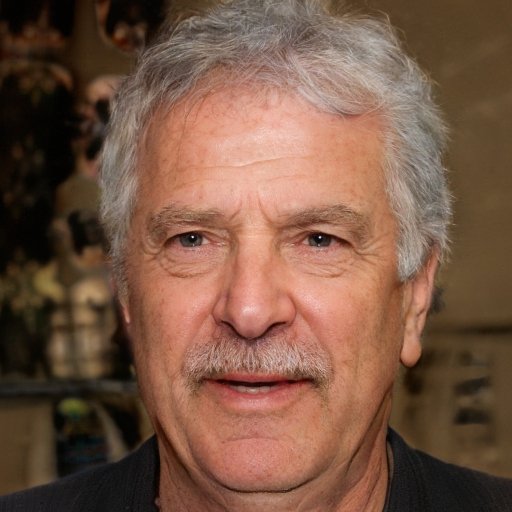
Meet Bryan Nevels
With over two decades of dedicated service in the restoration industry, Bryan Nevels is a highly respected Licensed Damage Restoration Expert. His career is defined by a deep technical mastery of property recovery and a commitment to restoring safety to homes and businesses.
Professional Expertise & Trust
Bryan’s authoritative background is backed by extensive field experience and a suite of specialized credentials. His objective is to provide elite-level service through meticulous attention to detail and industry-leading standards.
Technical Credentials
𝗖𝗲𝗿𝘁𝗶𝗳𝗶𝗰𝗮𝘁𝗶𝗼𝗻𝘀: Bryan holds multiple IICRC certifications, including Water Damage Restoration (WRT), Applied Structural Drying (ASD), Mold Remediation (AMRT), Fire and Smoke Restoration (FSRT), and Odor Control (OCT).
Personal Insight
𝗙𝗮𝘃𝗼𝗿𝗶𝘁𝗲 𝗣𝗮𝘀𝘁𝗶𝗺𝗲: When he isn’t on a job site, Bryan enjoys exploring local hiking trails and woodworking. 𝗕𝗲𝘀𝘁 𝗣𝗮𝗿𝘁 𝗼𝗳 𝘁𝗵𝗲 𝗝𝗼𝗯: For Bryan, the most rewarding aspect is providing peace of mind to families during a crisis and seeing their relief when a property is fully restored to its pre-loss condition.